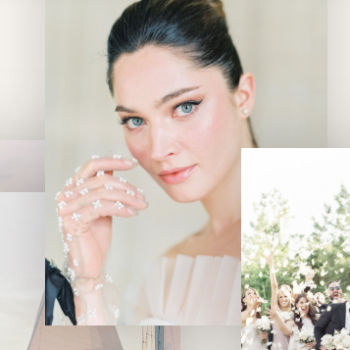

Erica & Jon Photography – Lighting Made Simple
$297.00 Original price was: $297.00.$29.00Current price is: $29.00.

Erica & Jon Photography – Lighting Made Simple: The Complete Guide to Mastering Photography Lighting
Photography is often described as the art of capturing light. No matter how advanced a camera may be, understanding lighting remains the most important skill for creating professional-quality images. Erica & Jon Photography – Lighting Made Simple is a comprehensive educational resource designed to help photographers of all skill levels understand, control, and master light in a practical and approachable way.
Whether you are a beginner struggling with harsh shadows, an intermediate photographer looking to improve portrait sessions, or a professional seeking consistent results, learning proper lighting techniques can dramatically elevate your work. Great lighting creates mood, enhances details, shapes subjects, and transforms ordinary photographs into stunning visual stories.
This guide explores the principles, techniques, and benefits of mastering photography lighting while highlighting why structured lighting education has become essential in modern photography.
Why Lighting Matters in Photography
Lighting is the foundation of every photograph. Cameras record light, and the quality of that light directly affects the final image.
Understanding lighting helps photographers:
- Create professional-looking portraits
- Capture accurate skin tones
- Enhance subject separation
- Add depth and dimension
- Control mood and atmosphere
- Reduce editing time
- Produce consistent results
Many photographers spend years buying expensive gear only to discover that lighting knowledge has a far greater impact on image quality than camera upgrades.
When you understand how light behaves, you gain complete creative control over your photographs.
Understanding the Fundamentals of Light
Before exploring advanced techniques, it is important to understand several key lighting concepts.
Light Direction
The direction of light affects how a subject appears in an image.
Common lighting directions include:
Front Lighting
Light shines directly onto the subject.
Benefits:
- Even illumination
- Minimal shadows
- Beginner-friendly
Drawbacks:
- Can appear flat
- Less depth and dimension
Side Lighting
Light comes from the side of the subject.
Benefits:
- Creates texture
- Adds depth
- Produces dramatic portraits
Backlighting
Light originates behind the subject.
Benefits:
- Creates separation
- Produces glowing effects
- Enhances creativity
Top Lighting
Light comes from above.
Benefits:
- Natural appearance outdoors
- Common in environmental portraits
Challenges:
- Can create harsh shadows beneath eyes and nose
Natural Light Photography Techniques
Natural light remains one of the most versatile tools available to photographers.
Learning how to work with available light helps photographers create beautiful images without relying heavily on artificial equipment.
Golden Hour Photography
Golden hour occurs shortly after sunrise and before sunset.
Advantages include:
- Soft shadows
- Warm tones
- Flattering skin colors
- Beautiful background glow
Golden hour is widely considered one of the best times for portrait photography.
Overcast Day Lighting
Clouds act as a giant softbox.
Benefits include:
- Even illumination
- Reduced contrast
- Soft skin tones
- Easy exposure control
Many professional photographers prefer cloudy conditions for outdoor portraits.
Window Light Photography
Window light creates stunning indoor portraits.
Best practices include:
- Position subjects near large windows
- Use sheer curtains for diffusion
- Experiment with side lighting
- Observe shadow placement
Window lighting remains one of the most effective methods for creating professional indoor portraits.
Introduction to Artificial Lighting
Artificial lighting provides complete control regardless of weather or location.
Photographers commonly use:
Speedlights
Speedlights are portable camera flashes.
Advantages:
- Lightweight
- Affordable
- Easy to transport
- Excellent for events
Studio Strobes
Strobes provide significantly more power than speedlights.
Benefits:
- Greater output
- Faster recycling
- Professional consistency
- Large modifier compatibility
Continuous Lights
Continuous lights remain on throughout the shoot.
Advantages:
- Easy visualization
- Ideal for beginners
- Excellent for video production
Light Modifiers and Their Importance
Light modifiers shape and control the behavior of light.
Understanding modifiers is essential for achieving professional results.
Softboxes
Softboxes diffuse light and create softer shadows.
Benefits include:
- Smooth skin tones
- Controlled spill
- Natural appearance
Portrait photographers frequently use softboxes for flattering results.
Umbrellas
Umbrellas are affordable and beginner-friendly modifiers.
Advantages:
- Quick setup
- Lightweight design
- Broad light spread
Beauty Dishes
Beauty dishes provide a balance between soft and dramatic lighting.
Popular for:
- Fashion photography
- Beauty portraits
- Headshots
Reflectors
Reflectors redirect existing light onto a subject.
Common reflector colors:
- White
- Silver
- Gold
- Black
- Translucent
Reflectors remain one of the most cost-effective lighting tools available.
Essential Portrait Lighting Setups
Professional portrait photographers often rely on proven lighting patterns.
Rembrandt Lighting
Named after the famous painter, this setup creates a small triangle of light on the shadow side of the face.
Benefits:
- Dramatic appearance
- Strong depth
- Timeless aesthetic
Loop Lighting
Loop lighting creates a small shadow beneath the nose.
Advantages:
- Flattering for most faces
- Easy to create
- Popular among portrait photographers
Butterfly Lighting
Light is positioned directly above and in front of the subject.
Benefits:
- Glamorous appearance
- Defined cheekbones
- Fashion-friendly results
Split Lighting
Half the face is illuminated while the other half remains in shadow.
Advantages:
- Dramatic effect
- Strong visual impact
- Artistic portraits
Mastering Flash Photography
Flash photography often intimidates beginners, but proper education makes the process straightforward.
Key flash concepts include:
Flash Power Control
Adjusting flash power helps balance ambient and artificial light.
Understanding power settings allows photographers to:
- Control brightness
- Preserve highlights
- Create consistent exposures
Flash Positioning
Moving a flash changes image appearance dramatically.
Common positions:
- Front
- Side
- Behind subject
- Elevated angles
Each position creates unique moods and effects.
Flash Modifiers
Using modifiers softens harsh flash output and produces more flattering results.
Popular choices include:
- Softboxes
- Umbrellas
- Diffusers
- Grids
Balancing Ambient and Artificial Light
One of the most important photography skills involves blending available light with flash.
Benefits include:
- Natural-looking results
- Better background exposure
- Greater creative flexibility
- Enhanced storytelling
Photographers who master ambient and flash balance can create images that appear effortless while maintaining complete lighting control.
Common Lighting Mistakes and How to Avoid Them
Even experienced photographers encounter lighting challenges.
Harsh Shadows
Cause:
- Direct unmodified light
Solution:
- Use diffusion
- Increase light source size
Flat Images
Cause:
- Light positioned directly in front
Solution:
- Introduce side lighting
- Add directional shadows
Overexposed Highlights
Cause:
- Excessive flash power
Solution:
- Reduce light output
- Adjust exposure settings
Poor Subject Separation
Cause:
- Similar brightness between subject and background
Solution:
- Add rim light
- Increase contrast
Building Confidence with Lighting
Many photographers feel overwhelmed by technical lighting concepts.
The key to success includes:
Consistent Practice
Repeated experimentation develops intuition.
Simple Setups
Start with one light before adding complexity.
Understanding Light Behavior
Observe how light changes with distance, angle, and modifiers.
Studying Professional Examples
Analyzing successful images accelerates learning.
Confidence grows when photographers understand why lighting works rather than simply memorizing setups.
Who Can Benefit from Professional Lighting Education?
Photography lighting education benefits a wide range of creatives.
Portrait Photographers
Create flattering and professional portraits.
Wedding Photographers
Handle difficult lighting situations confidently.
Family Photographers
Produce consistent outdoor and indoor results.
Content Creators
Improve social media and marketing visuals.
Commercial Photographers
Deliver professional client work.
Hobbyists
Enhance photography skills and creativity.
Regardless of experience level, lighting knowledge remains one of the most valuable investments a photographer can make.
The Long-Term Value of Learning Lighting
Camera technology evolves rapidly, but lighting principles remain timeless.
Benefits of mastering lighting include:
- Better image quality
- Increased creative freedom
- Faster workflow
- Professional consistency
- Stronger portfolio
- Higher client satisfaction
- Greater confidence during shoots
Photographers who understand lighting often achieve better results with basic equipment than photographers who rely solely on expensive gear.
Final Thoughts
Photography is ultimately the art of shaping light, and mastering that skill unlocks limitless creative possibilities. Erica & Jon Photography – Lighting Made Simple provides photographers with a structured path toward understanding natural light, artificial light, modifiers, flash techniques, and professional lighting setups.
By learning how light behaves and how to control it effectively, photographers can create images that stand out in an increasingly competitive industry. From beginner-friendly fundamentals to advanced portrait techniques, proper lighting education helps transform technical knowledge into artistic confidence.
Whether your goal is capturing beautiful family portraits, building a professional photography business, improving wedding photography, or simply creating more compelling images, mastering lighting remains one of the most important steps in becoming a successful photographer.