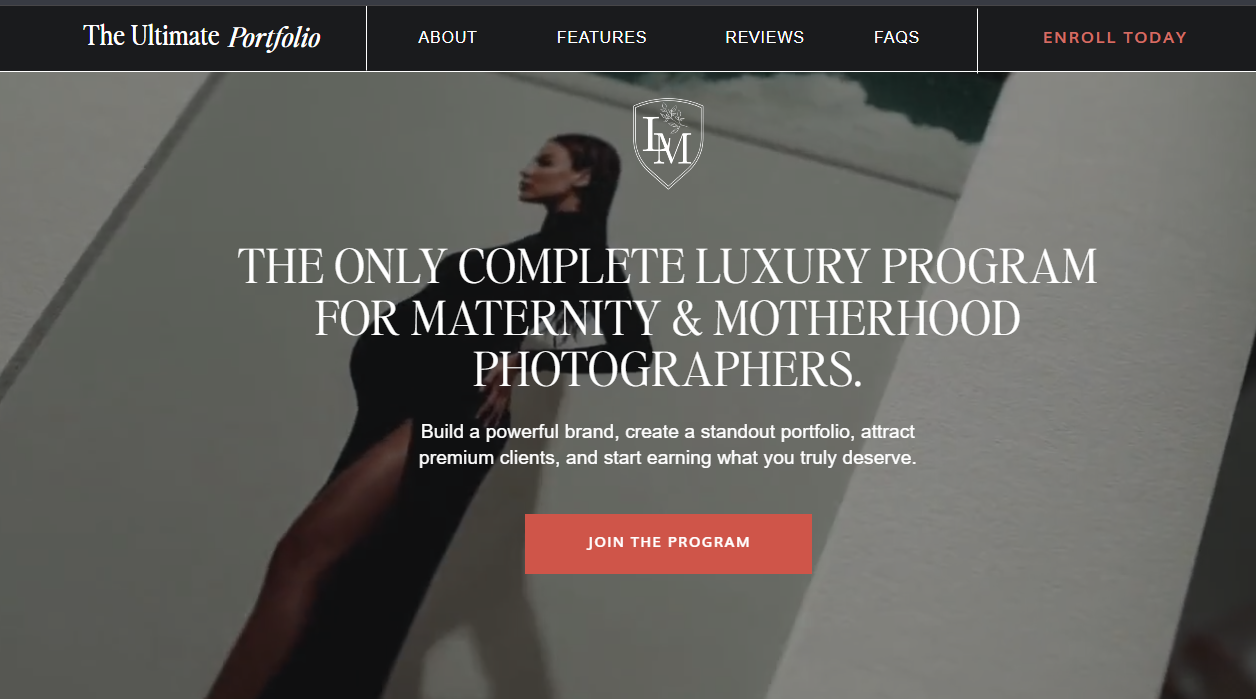
Lola Melani – The Ultimate Portfolio
$997.00 Original price was: $997.00.$120.00Current price is: $120.00.

Lola Melani – The Ultimate Portfolio: A Complete Guide to Building a Standout Professional Presence
In today’s highly competitive digital landscape, having a professional portfolio is no longer optional. Whether you are a designer, photographer, content creator, freelancer, marketer, artist, or entrepreneur, your portfolio serves as your digital identity. Lola Melani – The Ultimate Portfolio represents a comprehensive approach to portfolio creation that combines creativity, personal branding, professionalism, and strategic presentation.
A well-crafted portfolio is more than just a collection of projects. It tells a story about your skills, experience, expertise, and unique value proposition. The modern professional needs a portfolio that not only showcases past achievements but also attracts future opportunities.
Why a Professional Portfolio Matters
The first impression often happens online. Potential clients, employers, collaborators, and business partners frequently review portfolios before making decisions. A strong portfolio creates credibility and demonstrates competence in a way that resumes and social media profiles cannot.
Key benefits include:
- Establishing professional authority
- Showcasing expertise and achievements
- Building trust with potential clients
- Increasing job opportunities
- Strengthening personal branding
- Creating a memorable digital presence
- Demonstrating real-world results
A carefully structured portfolio allows visitors to understand your capabilities quickly and efficiently.
The Foundation of an Outstanding Portfolio
Every successful portfolio starts with a clear objective. Before building a portfolio, professionals should identify their target audience and desired outcomes.
Define Your Goals
Your portfolio may be designed to:
- Secure freelance projects
- Attract premium clients
- Obtain employment opportunities
- Build industry authority
- Generate business leads
- Showcase creative work
- Establish thought leadership
Having a defined purpose ensures every element serves a strategic function.
Identify Your Target Audience
Different audiences require different portfolio presentations.
Examples include:
- Corporate recruiters
- Startup founders
- Creative agencies
- Individual clients
- Investors
- Industry professionals
- Educational institutions
Understanding your audience allows you to tailor your content, design, and messaging effectively.
Essential Elements of a High-Converting Portfolio
Professional Introduction
The introduction section should immediately communicate who you are and what you do.
Include:
- Full name
- Professional title
- Core expertise
- Unique value proposition
- Professional mission statement
This section serves as your personal elevator pitch.
About Section
A compelling About page helps visitors connect with you personally and professionally.
Important components include:
- Career background
- Professional journey
- Key achievements
- Industry experience
- Personal philosophy
- Professional goals
Authenticity plays a crucial role in creating trust and relatability.
Portfolio Showcase
The showcase section is the centerpiece of your portfolio.
Focus on displaying:
- Best projects
- High-quality visuals
- Case studies
- Client results
- Project objectives
- Challenges solved
- Measurable outcomes
Quality should always take precedence over quantity.
Building Powerful Project Case Studies
Case studies transform simple project displays into persuasive success stories.
Project Overview
Introduce the project with:
- Client background
- Industry context
- Project objectives
- Scope of work
Problem Identification
Clearly explain the challenge that needed solving.
Potential examples include:
- Low conversion rates
- Weak brand identity
- Poor user experience
- Limited audience engagement
- Ineffective marketing strategies
Solution Development
Describe your process and methodology.
This may include:
- Research
- Strategy creation
- Design execution
- Content development
- Testing procedures
- Optimization efforts
Results and Impact
Show measurable achievements whenever possible.
Examples:
- Increased revenue
- Improved engagement
- Higher traffic
- Better conversion rates
- Enhanced user retention
- Brand growth
Numbers and data add credibility to your portfolio.
Personal Branding Through Portfolio Design
Strong personal branding helps differentiate professionals from competitors.
Visual Consistency
Maintain consistency across:
- Typography
- Colors
- Imagery
- Layouts
- Icons
- Graphics
A cohesive design creates a polished and memorable experience.
Brand Voice
Your writing style should reflect your professional personality.
Common brand voice styles include:
- Professional
- Creative
- Friendly
- Technical
- Inspirational
- Educational
Consistency in communication strengthens recognition and trust.
User Experience and Navigation
A portfolio should be easy to navigate and enjoyable to explore.
Simple Navigation Structure
Essential pages include:
- Home
- About
- Portfolio
- Services
- Testimonials
- Contact
Visitors should reach any important section within a few clicks.
Mobile Responsiveness
Mobile users account for a significant portion of website traffic. A responsive portfolio ensures optimal viewing across:
- Smartphones
- Tablets
- Laptops
- Desktop computers
A mobile-friendly experience improves engagement and search visibility.
Fast Loading Performance
Website speed affects user satisfaction and search rankings.
Optimization strategies include:
- Compressed images
- Clean code
- Lightweight themes
- Caching systems
- Content delivery networks
Fast websites retain more visitors and generate better results.
Showcasing Skills Effectively
Skills should be presented strategically rather than as a simple list.
Core Competencies
Highlight your strongest areas of expertise.
Examples include:
- Graphic Design
- Web Development
- Digital Marketing
- SEO
- Content Writing
- Branding
- Photography
- UX/UI Design
Demonstrating Skills Through Work
Instead of simply claiming expertise, provide evidence through:
- Portfolio projects
- Client testimonials
- Certifications
- Awards
- Published work
- Case studies
Real examples create credibility.
The Power of Testimonials
Testimonials serve as social proof and build trust.
Effective testimonials should include:
- Client name
- Position or company
- Project details
- Specific outcomes
- Positive experiences
Authentic feedback significantly influences decision-making.
Search Engine Optimization for Portfolios
A portfolio should be discoverable through search engines.
On-Page SEO Best Practices
Important optimization factors include:
- Keyword-rich headings
- Optimized meta descriptions
- Internal linking
- Image alt text
- Fast page speed
- Mobile responsiveness
Content Marketing Integration
Publishing valuable content can increase visibility and authority.
Potential content includes:
- Industry insights
- Tutorials
- Case studies
- Project breakdowns
- Professional tips
- Thought leadership articles
Regular content updates signal expertise and relevance.
Creating a Strong Contact Section
A portfolio should make communication effortless.
Include:
- Contact form
- Email address
- Professional social profiles
- Business inquiries information
- Availability details
The goal is to eliminate barriers between you and potential opportunities.
Portfolio Maintenance and Updates
A portfolio is a living asset that requires ongoing improvement.
Regular Updates
Keep content current by:
- Adding recent projects
- Updating achievements
- Refreshing testimonials
- Improving visuals
- Revising service offerings
Performance Analysis
Monitor:
- Visitor behavior
- Conversion rates
- Contact form submissions
- Traffic sources
- User engagement
Data-driven improvements lead to better outcomes over time.
Common Portfolio Mistakes to Avoid
Many professionals unintentionally weaken their portfolios through avoidable errors.
Too Much Information
Avoid overwhelming visitors with excessive content.
Poor Visual Quality
Low-resolution images reduce professionalism.
Lack of Context
Projects without explanations fail to demonstrate expertise.
Outdated Content
Old projects may not accurately represent current abilities.
Weak Call-to-Action
Visitors should clearly understand the next step to take.
Future-Proofing Your Professional Portfolio
The digital landscape continues to evolve rapidly. Successful professionals adapt their portfolios to changing technologies and audience expectations.
Emerging trends include:
- Interactive experiences
- AI-enhanced personalization
- Video case studies
- Dynamic project presentations
- Advanced analytics integration
- Immersive storytelling
Remaining adaptable ensures long-term relevance and competitiveness.
Final Thoughts
Lola Melani – The Ultimate Portfolio serves as a blueprint for professionals seeking to establish a powerful online presence. A successful portfolio combines strategic storytelling, exceptional design, compelling case studies, personal branding, and user-focused experiences. By presenting expertise clearly and professionally, individuals can attract better opportunities, build stronger credibility, and create lasting impressions within their industries.
A portfolio is not simply a showcase of work—it is a strategic asset that represents your professional identity, demonstrates your value, and opens doors to future success. Investing time and effort into building an exceptional portfolio can become one of the most valuable decisions in any professional journey.