Davey and Krista – How to Become a Website Designer
$997.00 Original price was: $997.00.$45.00Current price is: $45.00.

Davey and Krista – How to Become a Website Designer Review & Complete Course Breakdown
In today’s digital economy, website design has become one of the most valuable and profitable skills anyone can learn. Businesses, creators, coaches, photographers, agencies, and entrepreneurs all need professional websites to establish their online presence and generate revenue. The challenge for most beginners is understanding where to start and how to transform creative skills into a sustainable business.
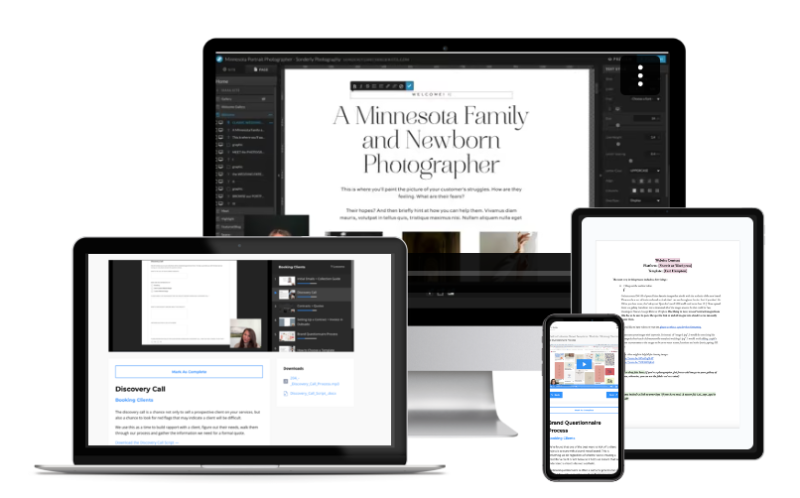
Davey and Krista – How to Become a Website Designer is designed to bridge that gap by providing a structured roadmap for aspiring designers who want to build beautiful websites while creating a successful freelance or agency business. Rather than focusing solely on design software, the program teaches the complete process of becoming a professional website designer—from finding clients and creating stunning websites to managing projects and scaling revenue.
Whether you are a complete beginner, a freelancer looking to specialize, or a creative professional wanting to add web design services to your business, this training offers practical insights that can accelerate your journey.
What Is This Course About?
This comprehensive training program focuses on helping students develop both the technical and business skills required to succeed in the website design industry.
Unlike traditional design courses that only teach tools and theory, this program takes a business-first approach. Students learn how professional designers operate, communicate with clients, manage projects, and deliver high-quality websites that generate real results.
The course emphasizes creating a repeatable system that allows designers to consistently attract clients, deliver projects efficiently, and increase profitability over time.
Why Website Design Is One of the Best Skills to Learn
Website design combines creativity, technology, marketing, and entrepreneurship into a single high-income skill.
Some major benefits include:
High Demand
Every business needs a professional website, creating a massive market for skilled designers.
Flexible Career Opportunities
Designers can work:
- As freelancers
- In agencies
- Remotely
- As consultants
- As business owners
Scalable Income Potential
Unlike traditional jobs, website design allows professionals to increase pricing as their expertise grows.
Creative Freedom
Designers have the opportunity to create visually appealing experiences while solving real business problems.
Long-Term Career Stability
As online business continues to expand globally, demand for website design services remains strong.
Core Topics Covered
The training covers multiple aspects of becoming a successful website designer.
Understanding Design Fundamentals
Before building websites, students learn the foundational principles that separate amateur work from professional-quality design.
Topics include:
- Visual hierarchy
- Layout principles
- Typography
- Color theory
- White space utilization
- User experience design
- Design psychology
- Branding consistency
These concepts help create websites that not only look attractive but also improve usability and conversions.
Website Planning and Strategy
One of the most overlooked aspects of web design is strategic planning.
Students learn how to:
- Understand client goals
- Conduct discovery sessions
- Research target audiences
- Build content structures
- Create effective website frameworks
- Plan user journeys
Proper planning ensures projects start with clarity and avoid expensive revisions later.
Building Professional Websites
The course demonstrates how modern websites are created using industry-standard workflows.
Key areas include:
Homepage Design
Creating strong first impressions through effective layouts and messaging.
Service Pages
Structuring pages that clearly communicate value and drive inquiries.
About Pages
Building trust and credibility through storytelling.
Portfolio Pages
Showcasing previous work in a professional manner.
Contact Pages
Designing conversion-focused inquiry systems.
User Experience Optimization
Beautiful websites are important, but usability is equally critical.
Students learn:
- Navigation design
- Mobile responsiveness
- User flow optimization
- Accessibility principles
- Conversion-focused layouts
- Website performance considerations
A strong user experience increases visitor engagement and business results.
Branding Integration
A website should reflect a brand’s identity consistently across every page.
The course explores:
Brand Positioning
Understanding what makes a business unique.
Visual Identity Systems
Creating consistency through:
- Colors
- Typography
- Imagery
- Graphics
- Layout styles
Brand Messaging
Ensuring website copy aligns with business objectives and customer expectations.
This combination helps create cohesive online experiences that strengthen brand recognition.
Working With Clients
One of the biggest challenges new designers face is client management.
The program includes guidance on:
Client Discovery Calls
Learning how to identify project requirements and expectations.
Proposal Creation
Presenting professional project proposals.
Pricing Strategies
Determining rates that reflect expertise and project value.
Project Management
Keeping projects organized and on schedule.
Client Communication
Building trust and maintaining professional relationships.
These business skills are often the difference between struggling freelancers and successful design professionals.
Creating an Efficient Workflow
Successful designers rely on systems rather than constant improvisation.
Students learn how to create repeatable processes for:
- Client onboarding
- Project planning
- Design production
- Content collection
- Feedback management
- Website launch procedures
Efficient systems reduce stress while improving profitability.
Building a Website Design Business
Beyond design skills, the course focuses heavily on business development.
Topics include:
Finding Clients
Strategies for generating consistent leads.
Building Authority
Establishing credibility within a chosen niche.
Portfolio Development
Creating a body of work that attracts premium clients.
Networking
Building relationships that generate referrals.
Marketing Services
Promoting expertise through various online channels.
The goal is to create a sustainable business rather than relying on unpredictable project opportunities.
Freelancing Versus Agency Growth
As designers gain experience, many consider scaling beyond solo freelancing.
The course discusses:
Freelance Model
Benefits include:
- Lower overhead
- Greater flexibility
- Direct client relationships
Agency Model
Advantages include:
- Larger projects
- Team collaboration
- Increased revenue potential
- Greater scalability
Understanding both paths allows students to choose the model that aligns with their goals.
Essential Skills Developed
Students completing the program can strengthen abilities in:
- Website design
- User experience
- Branding
- Client communication
- Business strategy
- Freelance operations
- Project management
- Creative problem solving
- Conversion optimization
- Professional presentation
These skills remain valuable across numerous industries and business models.
Who Should Take This Course?
This training can be beneficial for:
Beginners
Individuals with no prior website design experience.
Freelancers
Professionals seeking higher-value services.
Creative Entrepreneurs
Business owners looking to expand service offerings.
Photographers
Professionals wanting to create websites for clients.
Brand Designers
Creatives interested in adding web design services.
Marketing Professionals
Individuals seeking stronger digital skills.
Agency Owners
Teams wanting to improve design processes and client results.
Key Benefits
Some of the most valuable aspects include:
- Comprehensive learning path
- Real-world business applications
- Practical design principles
- Client acquisition strategies
- Professional workflow systems
- Branding integration
- Revenue-focused approach
- Freelance business guidance
- Long-term career opportunities
- Actionable implementation steps
Potential Results for Students
While results depend on effort, implementation, and experience, students may use the knowledge gained to:
- Launch a freelance web design business
- Improve existing design services
- Attract higher-paying clients
- Build stronger portfolios
- Increase project efficiency
- Develop professional confidence
- Create scalable design systems
- Expand into agency operations
The course provides a roadmap, but consistent practice and execution remain essential for success.
Final Thoughts
Website design continues to be one of the most accessible and rewarding digital skills available today. Businesses increasingly depend on strong online experiences, creating ongoing opportunities for talented designers.
Davey and Krista – How to Become a Website Designer offers a structured approach that combines creative development with practical business training. Instead of focusing only on software tutorials, it teaches students how to think strategically, serve clients effectively, and build a sustainable design career.
For aspiring designers who want to develop both technical expertise and business confidence, this program provides valuable insights into what it takes to succeed in the competitive world of website design.
If your goal is to create professional websites, attract quality clients, and build a long-term design business, this course provides a practical foundation for achieving those objectives.